
Tax-exempt organizations
Nonprofit accounting and Form 990
Form 990 and the annual reporting that protects tax-exempt status, for boards who would rather spend the time on the mission.
What you get
- Form 990, 990-EZ and 990-N
- Unrelated business income on Form 990-T
- Restricted and unrestricted funds tracked
- Reporting a board can read
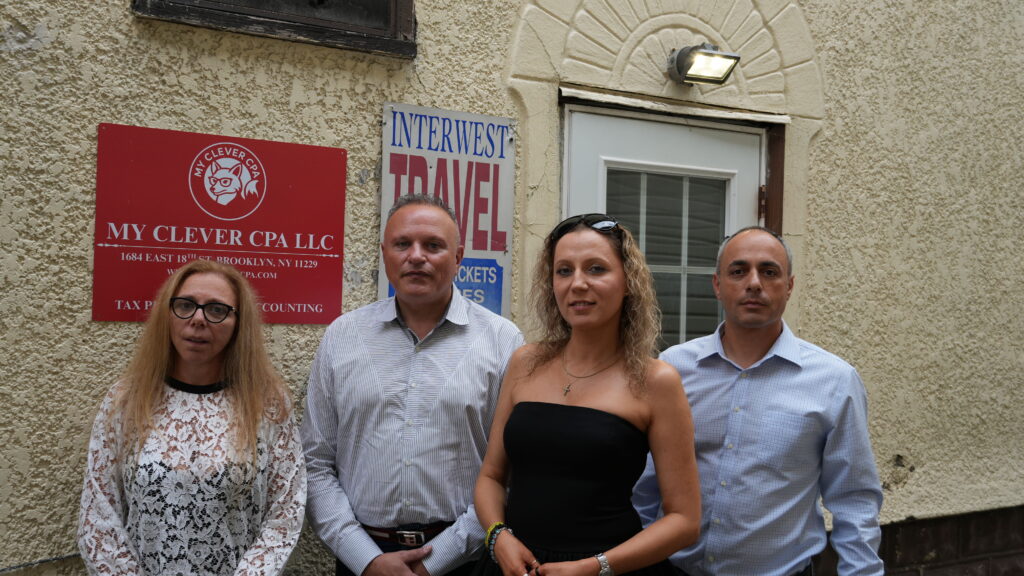
The MyCleverCPA team
- 25+ years in regulated finance, compliance and audit
- Tax work led by a CPA. Jillian Sinel holds the CPA and the CAA
- Three New York offices, or work with us fully remote
Overview
Filings that keep tax-exempt status intact
Nonprofit compliance is unforgiving in a quiet way. Nothing happens for years, and then a missed filing three years running costs the organization its exemption automatically.
The work is annual, predictable and worth handing to someone who does it routinely.
Unrelated business income is the first. Revenue that has nothing to do with the exempt purpose can be taxable even inside an exempt organization, and it is rarely flagged by whoever is keeping the books.
The second is controls. Most small nonprofits run finance through one or two volunteers with full access and no separation of duties. That is not a comment on anybody’s honesty, it is simply the structure that makes a problem possible and hard to detect.
Scope
What is included in nonprofit
Work is scoped to what you actually need. In most engagements it covers:
Annual filings
- Form 990, 990-EZ and 990-N
- Form 990-T for unrelated business income
- New York State charities filings
Fund accounting
- Restricted and unrestricted fund tracking
- Grant and program reporting
- Costs allocated across program, administration and fundraising
Governance and controls
- Internal controls for volunteer-run finance
- Separation of duties on a small team
- Documentation a board can actually review
Setting one up
- Entity formation and the exemption application
- A chart of accounts built to produce a 990
- The written policies the 990 asks whether you have
What this covers
- Form 990, 990-EZ and 990-N
- Form 990-T for unrelated business income
- Annual reporting and regulatory filings
- Nonprofit structuring and entity setup
- Bookkeeping and fund accounting
- Board and management reporting
- Restricted and unrestricted fund tracking
- Internal controls for volunteer-run finance
Problems we fix
What usually brings people to this work
These cost money quietly, and they get more expensive the longer they sit.
A 990 that was missed
Three consecutive years missed and exempt status is revoked automatically.
The wrong 990 filed
Filing the postcard after gross receipts crossed the threshold counts as not filing.
Income nobody flagged
Revenue unrelated to the mission can be taxable, and it needs a return of its own.
One person doing everything
Common in a small nonprofit, and the first thing a funder or an auditor asks about.
Who it is for
Who uses nonprofit
If you recognize yourself in one of these, a short call is usually enough to tell whether this is the right service.
Volunteer-run organizations
Boards that would rather spend the hours on the mission than on the filing.
Organizations with grants
Restricted funds that have to be tracked and reported separately.
Newly formed nonprofits
The exemption application, and books that will survive the first 990.
Boards inheriting a mess
Filings behind, records thin, and a deadline already in sight.
How it works
How nonprofit runs
Four stages. Most of the value sits in the first two, before anything is filed.
Check the filing history
Which 990 was filed, when, and whether exempt status is still intact.
Straighten the records
Funds separated, allocations documented and balances reconciled.
Prepare the return
The 990 and anything it brings with it, including the 990-T.
Report to the board
Statements and a 990 the board can read without a translator.
Questions
Frequently asked questions
What happens if we missed a 990?
Three consecutive missed years revokes exempt status automatically. One missed year is fixable and worth fixing immediately. If status has already been revoked, reinstatement is possible but it is a longer road.
Which 990 do we file?
It depends on gross receipts and total assets. Small organizations may only need the 990-N, which is short. We would rather confirm the threshold than have you file the wrong one.
Can you help us set up a new nonprofit?
Yes, on the structuring and accounting side, working with whoever handles the legal formation and the exemption application.
Other services
Our other services
01
Tax Preparation and Planning
Individual, business, partnership and multi-state returns, prepared with the planning done before December rather than after.
Tax services02
Bookkeeping and Accounting
General ledgers, reconciliations, payroll and financial statements, kept current enough to make decisions from.
Accounting services03
Trusts and Estates
Fiduciary income tax, gift and estate returns, and the accounting that keeps a trust administration clean.
Trusts and estates05
IRS Representation
Notices, audit support, back taxes and collection matters, handled so you are not the one on the phone.
RepresentationNonprofit by area
Talk to us about nonprofit
Book a time online, or call whichever office is nearest you.
Areas served
Brooklyn, the north Bronx, lower Westchester and the East End, plus remote clients across New York and multiple states.
Phone
(929) 389-1009 Brooklyn
(929) 262-6375 Riverdale
(516) 845-9969 Hamptons
Office hours
Sunday to Friday, 11am to 8pm Eastern.
Closed Saturday.